FAQ 

Frequently Asked Questions

Part I: About the Fiber Itself

Q1: What is the fundamental difference between natural and synthetic fibers?

Q2: Why are natural fibers inherently more premium?

Q3: What sets 100% pure compositions apart from blended fibers?

Q4: Why do some natural fibers cause a prickle sensation?

Q5: What exactly does a "micron" signify in fiber fineness?

Q6: Do natural fibers pill?

Q7: Does pilling equate to inferior quality?

Q8: Why do minor color variations occur between different batches?

Part II: About Alpaca

Q1: What is the distinction between Baby Alpaca and Fine Alpaca?

Q2: Why is Alpaca fiber naturally free of lanolin?

Q3: What is the natural color palette of Alpaca?

Q4: Why is Alpaca fiber so lightweight yet exceptionally warm?

Q5: Which markets are best suited for Alpaca textiles?

Part III: About Yak Undercoat

Q1: What is the fundamental difference between Yak undercoat and Cashmere?

Q2: Why is the annual yield of Yak undercoat exceptionally low?

Q3: Why is the natural, deep palette of Yak down considered an advantage?

Q4: What makes Yak undercoat uniquely suited for the luxury market?

Part IV: About 100% Purity

Q1: Why do we uncompromisedly commit to 100% purity?

Q2: Are blended fibers inherently more stable?

Q3: Is pure fiber inherently more challenging to spin into yarn?

Part V: About Market & Commerce

Q1: Is sustainable consumption a genuine, lasting trend?

Q2: How does scarcity successfully translate into a brand premium?

Q3: What are high-end luxury consumers truly investing in?

Part VI: About Values & Co-Creation

Q1: Why do we choose to collaborate directly with communities in the Tibetan Plateau?

Q2: What is the fundamental difference between OEM manufacturing and authentic Co-Creation?

Q3: How can a single thread bridge two entirely different markets?

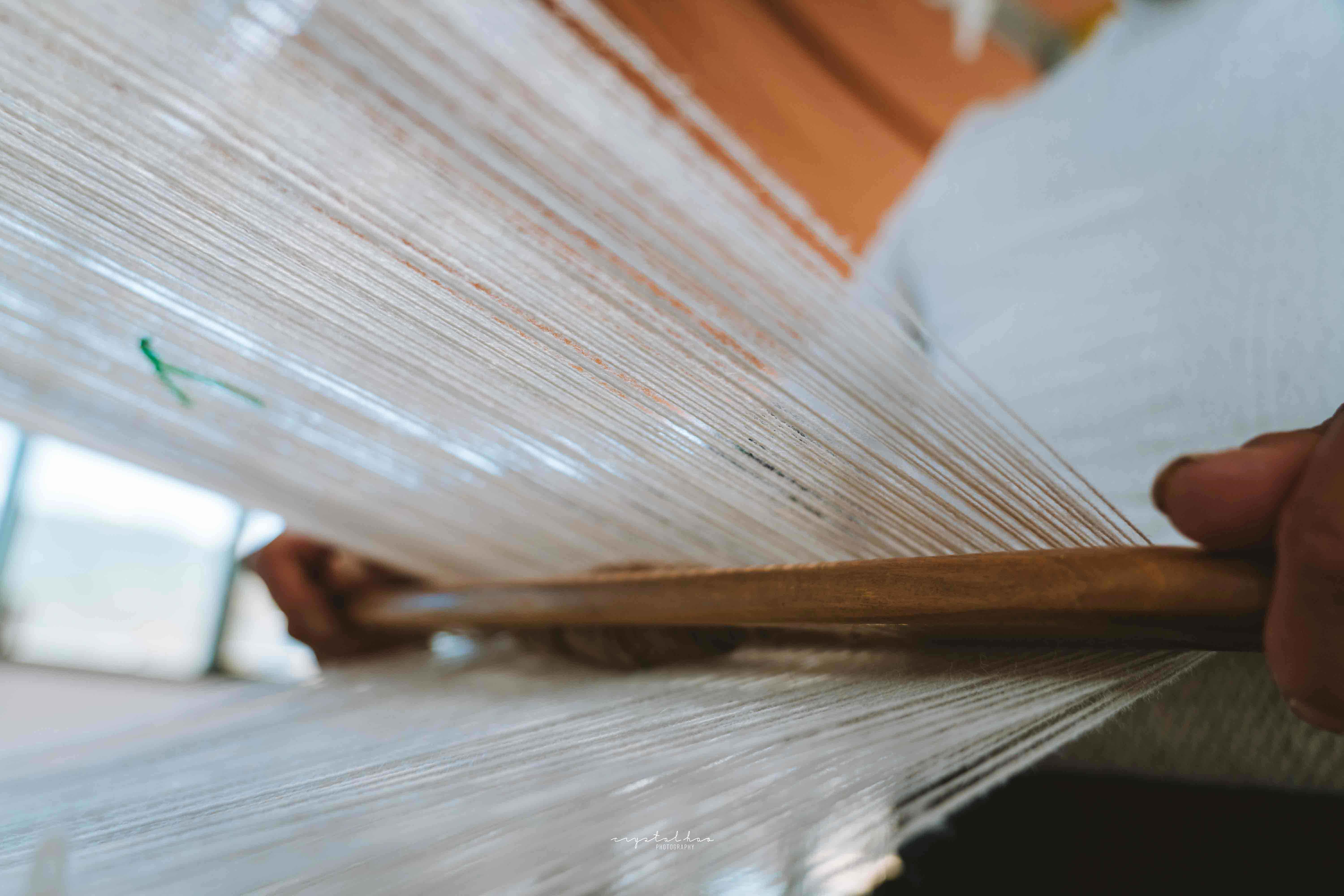
Crafted by the hands of Tibetan women,

each skein sustains livelihoods on the

plateau and brings a sense of

conscientious elegance into your life.